







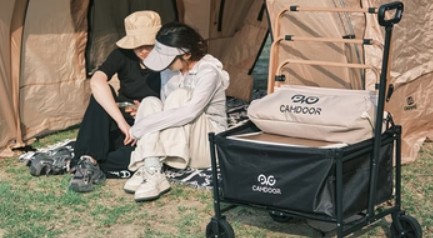
In a fast-paced world dominated by hyper-connected cities, crowded commuter trains, and the relentless pressure of modern workplaces, a profound cultural shift is quietly taking place across Japan. Rather than spending their hard-earned leisure time in bustling shopping districts or luxury resorts, millions of urban residents are packed into their vehicles and heading toward the mountains, rivers, and coastal forests. This is not merely a passing interest in outdoor recreation; it represents a deeply therapeutic lifestyle movement focused on intentional slowdown, mindfulness, and a radical reconnection with nature. In Japan, the contemporary approach to camping has evolved far beyond basic survivalism or rugged athleticism. Instead, it has transformed into a sophisticated extension of home life—a beautifully curated aesthetic experience where comfort, culinary artistry, and natural tranquility intersect to provide a powerful antidote to urban burnout.
The Philosophy of Slow Living and Mindfulness in the Wild
At the very core of the Japanese camping lifestyle is the pursuit of a concept closely aligned with traditional mindfulness and the appreciation of impermanence. Stepping into a quiet, forested campsite allows individuals to intentionally unplug from their digital obligations and attune their senses to the immediate environment. The frantic pace of city life is replaced by the slow rhythm of daylight, the rustling of leaves, and the crackle of a campfire. Campers find a deep sense of calm in executing simple, repetitive tasks with absolute focus, such as carefully pitching a tent, splitting firewood, or manually grinding coffee beans in the crisp morning air. This intentional slowing down creates a mental sanctuary, giving weary minds the spatial freedom to reset, reflect, and discover joy in the absolute simplicity of existing under the open sky.
Elevating the Campsite into a Curated Outdoor Home
Unlike traditional Western styles of camping that often emphasize rugged minimalism, the prevailing lifestyle trend in Japan treats the campsite as a beautifully designed, temporary living room. Campers put immense thought and pride into organizing their setups, ensuring that every piece of gear—from the color-coordinated canvas tarps to the low-profile wooden tables—creates a harmonious and visually soothing aesthetic. This practice reflects a cultural dedication to creating cozy, functional spaces, even when surrounded by wild terrain. Plush textiles, ambient warm lighting from vintage-style lanterns, and comfortable ローチェア are systematically arranged to maximize relaxation. By blurring the boundaries between indoor comfort and outdoor wilderness, this approach allows individuals to feel completely secure and grounded while fully immersed in the elements.
Culinary Artistry and the Joy of Open-Air Dining
Food plays an incredibly vital role in the Japanese outdoor lifestyle, serving as a central ritual that brings people together and celebrates regional flavors. Camping meals are rarely an afterthought of freeze-dried packs or simple hot dogs; instead, they are elaborate, multi-course culinary experiences prepared with meticulous care. Utilizing compact, high-efficiency charcoal grills and cast-iron cookware, campers routinely prepare traditional hot pots, slow-roasted seasonal vegetables, and perfectly grilled local meats. The process of cooking outdoors is elevated to a shared form of entertainment, where the preparation is just as enjoyable as the consumption. Gathering around a low table to share a beautifully presented meal, paired with a carefully selected local beverage, enhances the communal bond and transforms dining into an unforgettable sensory celebration of the immediate landscape.
Aligning with the Natural Rhythms of the Four Seasons
Japan possesses a profound, historically rooted sensitivity to the shifting of the four seasons, and the modern camping lifestyle provides the ultimate canvas to experience these transitions firsthand. Campers eagerly plan their excursions around specific seasonal milestones, seeking out cherry blossoms in the gentle warmth of spring, seeking refuge in cool alpine forests during the humid summer, and chasing the vivid crimson and gold foliage of autumn. Even the freezing temperatures of winter have given rise to a passionate subculture of cold-weather camping, where enthusiasts utilize safe internal heating elements to enjoy the pristine silence of snow-covered landscapes. By actively engaging with the distinct weather patterns, temperatures, and sights of each season, individuals align their personal lifestyles with the natural world, fostering a deep, therapeutic sense of belonging within the cosmic calendar.
Fostering Deep Connections and Intergenerational Bonds
The outdoor lifestyle in Japan serves as a powerful social lubricant, offering a rare space where strict societal hierarchies dissolve and authentic human connections can flourish. Whether it is a ソロキャンパー finding solidarity with a quiet neighbor, a group of friends sharing stories around a glowing fire pit, or a multi-generational family working together to build a shelter, the wilderness encourages a unique vulnerability and cooperation. For families, in particular, camping provides an invaluable environment where children can escape screens, engage in tactile learning, and bond with parents away from the distractions of daily domestic chores. The shared challenges and triumphs of outdoor life create lasting memories and cultivate a supportive community culture that values mutual respect, quiet consideration, and collective harmony.
Summary
The remarkable rise of camping within the Japanese lifestyle framework is a beautiful testament to humanity’s enduring need for the natural world. Far from being a mere weekend distraction, it functions as a highly sophisticated, holistic approach to wellness, community, and creative expression. By infusing the rugged wilderness with elements of mindfulness, meticulous home design, gourmet cooking, and a profound reverence for the changing seasons, Japanese outdoor enthusiasts have created a blueprint for modern slow living. This lifestyle choice proves that true luxury does not lie in material excess or digital convenience, but rather in the wealth of time spent watching a sunset, sharing a slow meal with loved ones, and falling asleep to the gentle sounds of the forest. Ultimately, embracing this mindful approach to the outdoors reminds us all to breathe, slow down, and find beauty in the simplicity of the earth.