







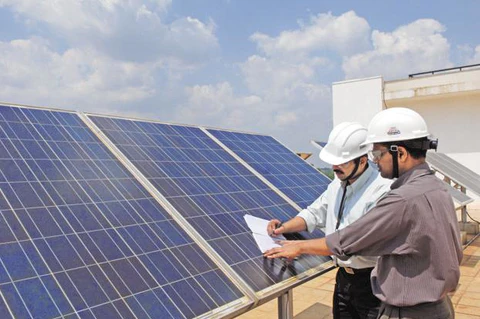
The vast majority of solar power systems are installed on buildings’ rooftops. It’s an easy and convenient way to maximize an otherwise unused space, install the panels in a secure, out-of-the-way location, and help the system blend into your home’s structure. But what if you have a small roof? Can you still install a system that fits your needs?
Evaluate Your Roof Space and Structure
Before you even consider installing anything on your rooftop, assess the available space and structural integrity of your roof. Measure the usable area and be sure to account for vents, chimneys, flashing, or skylights. A smaller roof means every square foot matters, so focus on the sections that get the most sunlight. Additionally, make sure your roof can support the added weight of solar panels and mounting hardware. If your roof is older or shows signs of wear, consider repairs or some kind of reinforcement before installation.
Choose High-Efficiency Solar Panels
When space is limited, efficiency becomes even more important. High-efficiency panels produce more electricity per square foot, allowing you to maximize output without expanding the size of your solar array. While these panels may cost more upfront, they often deliver better long-term value for small rooftops. Look for panels with high performance ratings and good warranties to give you peace of mind that they’ll be durable and consistent in their energy production over time.
Optimize Panel Placement and Angle
Proper placement is key to getting the most out of a small solar system. Panels should ideally face south if you’re in the northern hemisphere and be installed at an angle that matches your latitude for the best year-round performance. If your roof design doesn’t allow for optimal orientation, consider an adjustable mounting system that can help improve sunlight exposure. Even slight adjustments can significantly boost energy production on a small setup.
Minimize Shading Issues
Shading can have a major impact on solar output, especially when you have fewer panels to work with. Identify any potential sources of shade, like nearby trees, buildings, or roof features like chimneys. If shading is unavoidable, consider using microinverters or power optimizers. These allow each panel to operate independently, so that one shaded panel doesn’t have a negative impact on the entire system.
When every square foot counts, it’s imperative that you use the most efficient Mission Solar modules so that you can get the highest amount of power possible from your small solar power system.


