








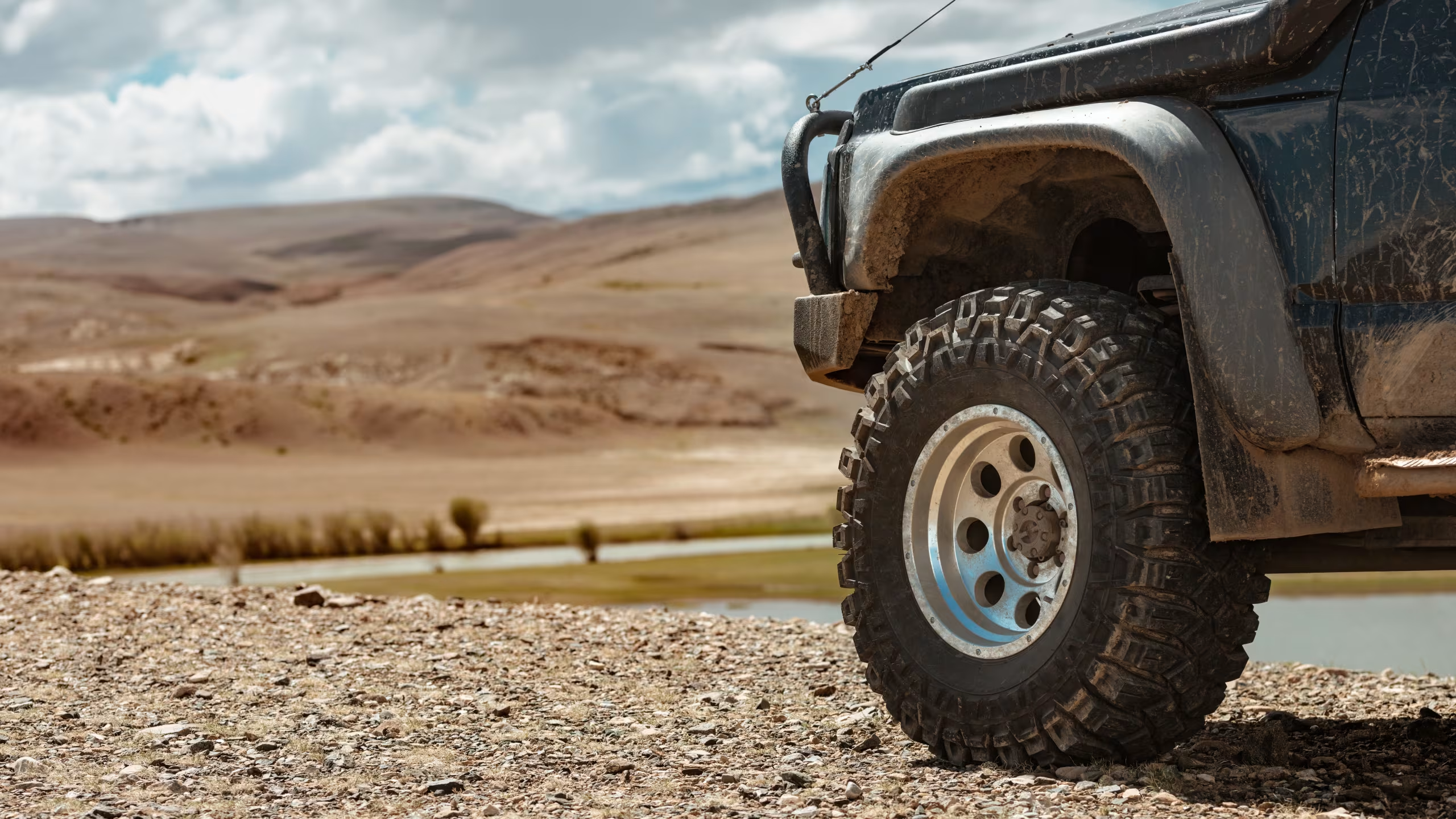
Off-roading is a great way to get off the beaten path and explore less-traveled spaces, but you can’t do it in just any vehicle, and you can’t do it with your standard tires. If you’re new to off-roading, it’s important to understand what makes off-road tires different, so you can ensure that you’re ready for your first off-road adventure. Below, we break down the key differences between off-roading tires and standard vehicle tires.
What Are They Made For?
The truth is, off-road tires are specifically engineered to handle rugged terrain like mud, sand, rocks, and uneven trails. By comparison, regular car tires, also called highway or all-season tires, are designed for smooth pavement, fuel efficiency, comfort, and a quieter ride. The differences between these two types of tires go far beyond their appearance. In fact, the differences can directly impact performance, traction, safety, and durability.
Tread Design and Traction
One of the most noticeable differences between these two tire types is the tread pattern. Off-road tires have deep treads with large gaps between tread blocks. This allows them to dig into loose surfaces like dirt, gravel, snow, and mud, giving you better traction where standard tires would probably slip. Regular tires have shallower tread patterns, which provide more continuous contact with the road. This is a better design for maintaining grip on paved roads and improving fuel efficiency. But it also means they quickly lose traction in off-road conditions.
Sidewall Strength and Durability
Off-road tires are built with reinforced sidewalls to withstand punctures and impacts from rocks and debris. When navigating rough terrain, it’s common for the sides of your tires (as well as the tread) to come into contact with these kinds of surfaces. Standard car tires, with thinner side walls, aren’t designed for this kind of abuse. While it makes them lighter and more efficient for driving on pavement, it also makes them more vulnerable to off-road damage.
A Note on Spare Tires
When it comes to spare tires, off-road vehicles have very different needs from your standard commuter. Most passenger cars come with a compact “donut” spare that’s designed for temporary use at low speeds and short distances, just enough to get you to a tire shop. This won’t cut it in off-road conditions. If you want to go off-roading, you need a full-sized spare that matches the size and type of all the other tires on your vehicle. Uneven tires when off-roading can disrupt balance, traction, safety, and drivetrain performance, which can leave you in a worse situation than you were in before you put that spare on.
So, if you want to go off-roading, make sure you have the right tires and a full-sized spare, ideally carried in a Sprinter van tire carrier for quick access, so you’re prepared for any tire issues on the trail.


