

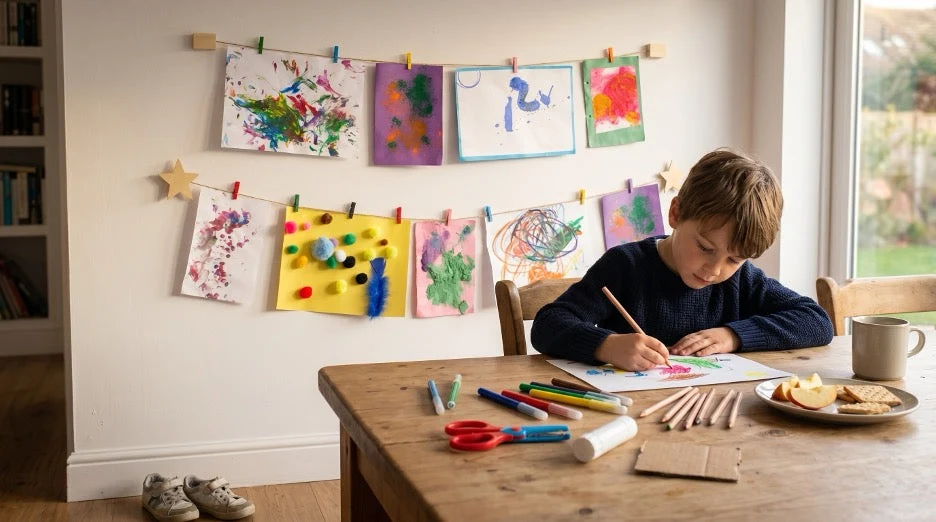
For many children, the hours after school present a different kind of challenge than the school day itself. Once homework, classroom routines, and structured lessons are over, children need time to unwind while still having opportunities to explore, create, and develop new skills. Although digital entertainment offers an easy way to fill these hours, relying too heavily on screens can leave little room for activities that encourage curiosity, physical movement, and independent thinking. A thoughtfully planned afternoon provides a healthier balance between relaxation and meaningful engagement.
Families exploring Afterschool Care in South San Jose CA may find it helpful to consider how everyday activities can support children’s development beyond the classroom. The goal is not to eliminate technology altogether but to create an environment where hands-on experiences, social interaction, outdoor play, and creative exploration have an equally important place in a child’s routine.
Why Children’s Afternoons Need More Than Screen-Based Entertainment
After several hours of classroom instruction, children benefit from activities that engage them in different ways. Watching videos or playing digital games may provide temporary entertainment, but these experiences do not always offer the same opportunities for physical coordination, practical problem-solving, or face-to-face communication.
Hands-on activities encourage children to experiment, make decisions, and learn from mistakes. Building a structure, preparing a simple snack, or creating an artwork requires attention and active participation. These experiences also allow children to see tangible results from their efforts, which can strengthen confidence and persistence.
A balanced afternoon should include downtime, too. Children do not need every minute scheduled. Unstructured play gives them opportunities to follow their interests, develop imagination, and practice making independent choices.
Creative Ways to Organize an Engaging Afternoon
1. Introduce Simple Science and Building Projects
Practical experiments make abstract ideas easier to understand. Children can explore concepts such as gravity, motion, and measurement through age-appropriate activities.
For example, constructing paper bridges, designing simple marble runs, or testing which household materials float can turn an ordinary afternoon into an informal learning experience. Older children might enjoy beginner engineering challenges involving recycled cardboard, tape, and craft supplies.
The emphasis should be on exploration rather than producing a perfect result. Asking questions such as “What might happen if we change this?” encourages children to think critically.
2. Make Art and Craft Activities Accessible
Creative projects offer an effective alternative to passive entertainment. Drawing, painting, collage-making, clay modeling, and recycled-material crafts allow children to express ideas in different ways.
Rather than providing detailed instructions for every project, adults can introduce a theme and let children decide how to approach it. A neighborhood landscape, an imaginary invention, or a handmade storybook can provide direction without restricting creativity.
Keeping basic supplies organized and accessible also makes it easier for children to begin projects independently.
3. Include Outdoor Movement and Nature Exploration
Physical activity is an important part of an effective after-school routine. Outdoor play gives children opportunities to develop coordination, balance, and spatial awareness while releasing energy accumulated during the school day.
Activities can include scavenger hunts, gardening, sidewalk chalk games, nature journaling, or simple team challenges. Even a short walk around the neighborhood can become an opportunity to observe plants, insects, weather patterns, and seasonal changes.
When outdoor access is limited, indoor movement games, stretching, and age-appropriate dance activities can provide alternatives.
4. Encourage Cooking and Everyday Life Skills
Children can participate in simple food preparation under appropriate adult supervision. Washing vegetables, assembling sandwiches, measuring ingredients, and arranging fruit plates introduce practical skills while reinforcing basic mathematics and following instructions.
These activities also create natural opportunities to discuss nutrition, kitchen safety, and responsibility. Giving children manageable tasks helps them feel included in everyday family routines.
Factors to Consider When Planning After-School Activities
A successful afternoon schedule should reflect a child’s age, personality, energy level, and individual interests. Younger children generally benefit from shorter activities with clear instructions, while older children may enjoy longer projects that require planning and independent decision-making.
Consider these practical factors:
- Flexibility: Allow children to choose between a few suitable activities rather than following a rigid timetable.
- Variety: Alternate creative work, physical movement, quiet reading, and social interaction.
- Accessibility: Use affordable, age-appropriate materials that are easy to organize.
- Rest: Include time for snacks, relaxation, and transitions between activities.
- Supervision: Match the level of adult guidance to the complexity and safety requirements of each project.
Structured programs can also help families maintain consistency when work schedules make daily supervision difficult. When evaluating a local option, parents can review its activities, learning environment, supervision practices, and approach to balancing academic support with recreation. Families can also explore the school’s location on Google Maps when researching nearby educational and after-school resources.
Common Questions About Children’s Afternoon Routines
How much screen time is appropriate after school?
There is no single schedule that suits every child. Parents should consider age, sleep, physical activity, educational needs, and the type of digital content involved. Setting reasonable boundaries and protecting time for offline activities can help maintain balance.
Should children complete homework before recreational activities?
It depends on the child’s energy level and the family’s routine. Some children concentrate better after a short break and snack, while others prefer finishing homework first. A consistent approach that allows room for individual needs is generally more practical than a universal rule.
Are structured activities better than free play?
Both serve valuable purposes. Organized projects introduce new skills and provide guidance, while free play encourages imagination, decision-making, and independence. A healthy afternoon includes opportunities for both.
Making Afternoons More Meaningful
Children’s afternoons do not need elaborate schedules or expensive materials to become productive and enjoyable. A combination of creative projects, outdoor exploration, practical tasks, social interaction, and appropriate downtime can make these hours more rewarding. By creating opportunities to learn through experience rather than relying exclusively on screens, families can support children’s curiosity, confidence, and growing independence while establishing routines that remain sustainable over time.
